Security
Agencies hold other people's personal data for their clients. This page lists the controls that are in place in Vivolto today, and what isn't there yet.
In place
Storage and links
- Each workspace's data is kept apart in the database by PostgreSQL row-level security, as well as by the application itself.
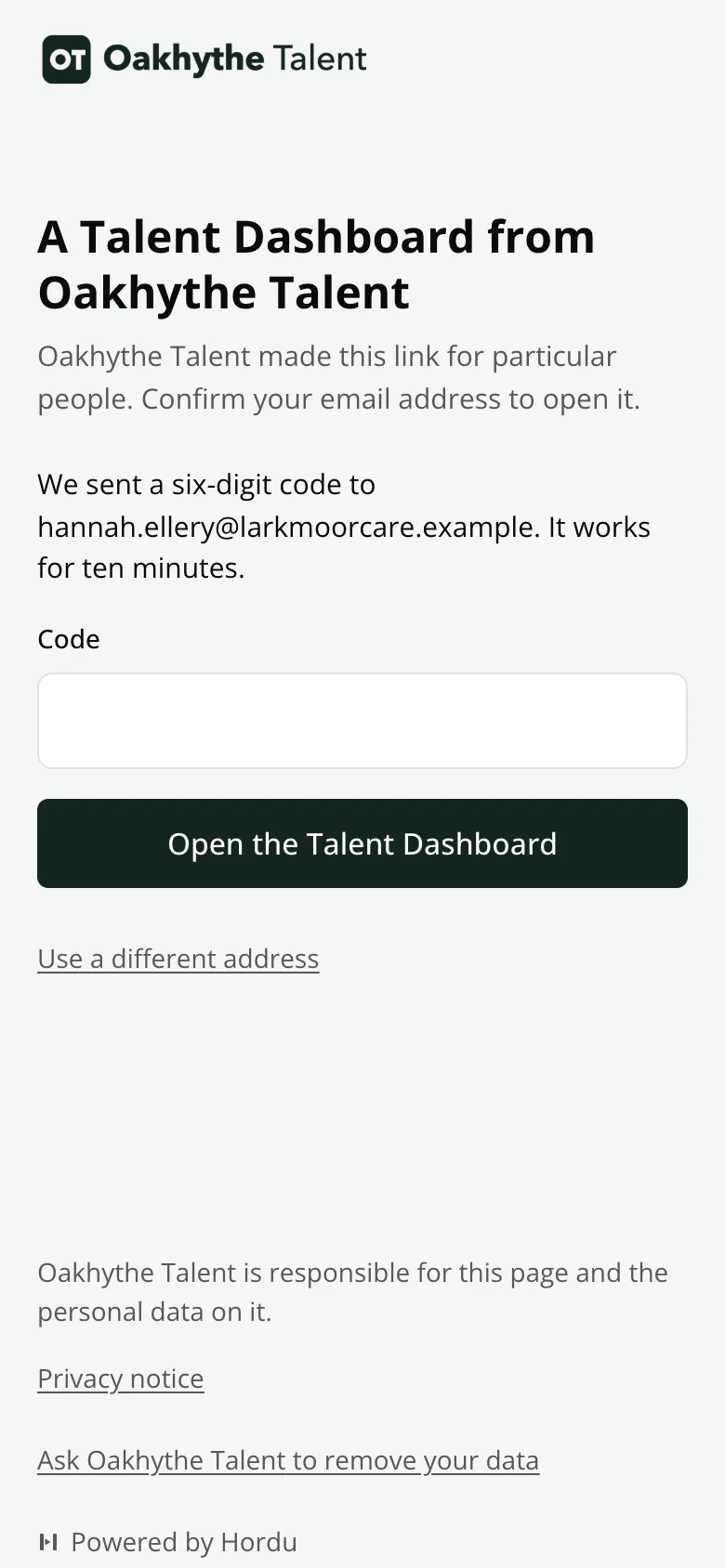
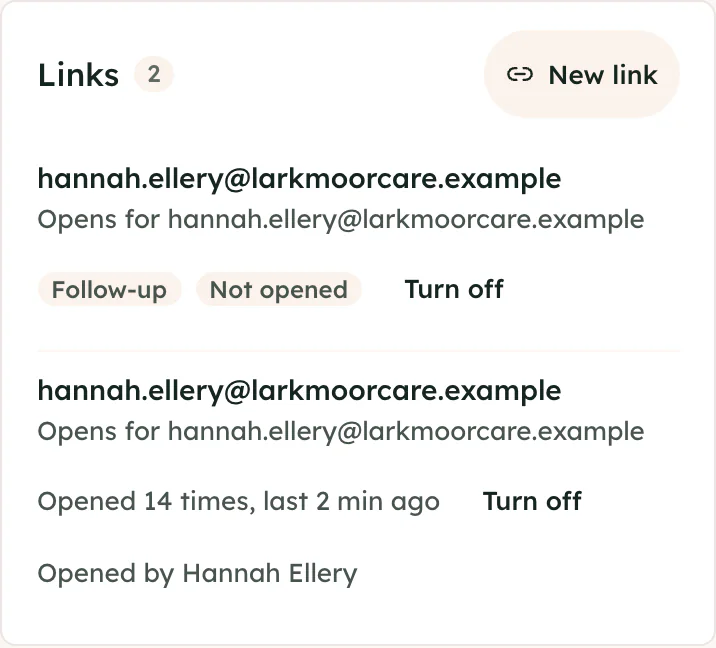
- A share link is a long random address, and you can turn it off whenever you like. A Talent Dashboard opens only for the email addresses it was sent to, after a code sent to that address, or with a password you set. Its links stop working 90 days after the dashboard is closed.
- Video, CVs and documents are served through signed links that expire: after 4 hours on client and candidate pages, and after 12 hours inside the app.
- Connections to Vivolto use TLS, and so do the connections between its own parts: the database, the queue and file storage. Live calls are encrypted between each browser and the call server. The database is encrypted at rest, and so are the credentials you give Vivolto for an integration. Recordings and CVs sit in a private storage bucket and can be reached only through those signed links.
Accounts
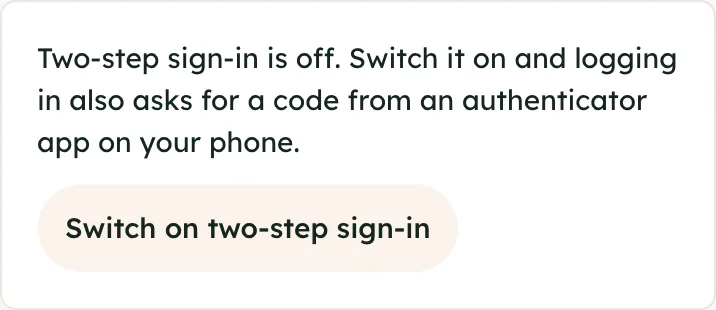
- An email address has to be confirmed before an account can be used, and passwords are at least 10 characters. Two-step sign-in with an authenticator app is there for every user and a workspace can require it. You can log out of your other devices as well.
Audit and deletion
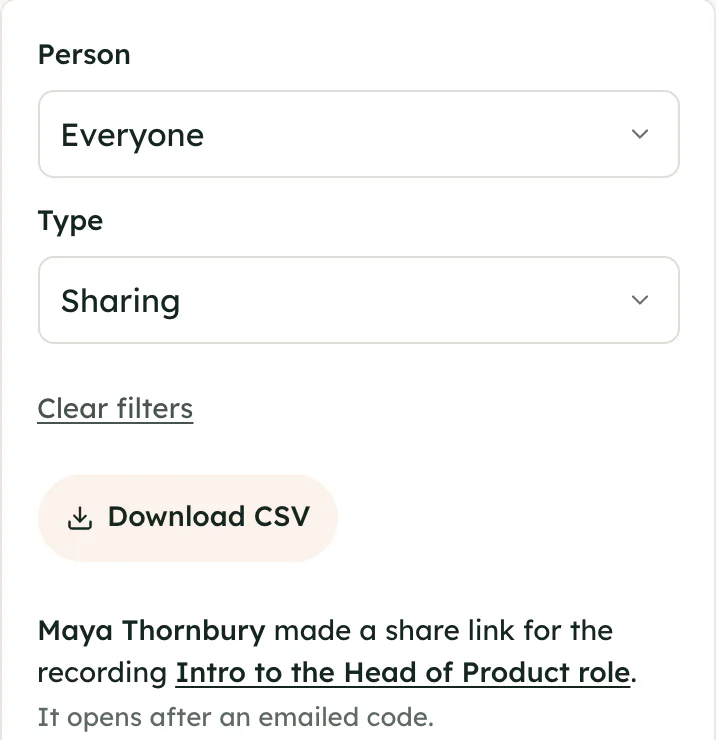
- An audit log records share links made and revoked, recording downloads, deletions and restores, exports, retention changes and API keys. Owners and admins can read it.
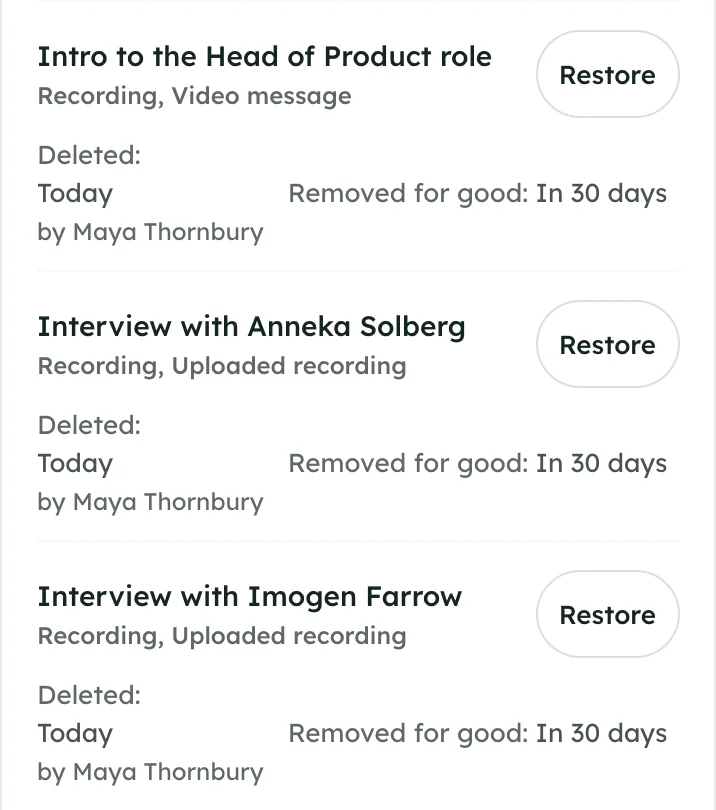
- Recordings and CVs are given a retention date when they are made, within the period your plan allows. Anything deleted, by a person or by the retention rule, can be restored by an admin for 30 days and is then removed for good along with its files. A legal hold pauses that.
- A candidate can ask an agency to remove their data from a page linked in the emails they get through Vivolto. The agency has 30 days to act. When it completes the request, the candidate's recordings, CVs, documents and details are removed at once and the candidate is told.
Consent and privacy
- In a live room every guest is asked before recording starts, and it starts only once they've all agreed. If someone joins while a recording is running, it pauses for everyone until that person has answered: it carries on if they agree and stops if they decline. Nobody is in a recording before they agreed to it, and each answer is kept with the room.
- The website and the pages your clients and candidates open carry no analytics or advertising scripts. When a page breaks, the error report leaves out form values, link tokens and query strings.


A replica of a live room. The people shown are stock footage under invented names.
Not in place yet
Vivolto doesn't hold Cyber Essentials or ISO 27001 certification, and it hasn't yet had an external penetration test. If your procurement needs one of these, write to us and we'll tell you where it stands.
Report a vulnerability to security@vivolto.com. See also the data processing agreement and the sub-processor list.
Try it on a real role
Type your agency's name and it's carried through sign-up into your new workspace. Your logo and colours go in next, then your first recording.